- Now Open in Finacial District and Kondapur
- Customer Care- 10AM to 7PM
- +91-9933332442

Revolutionary picosecond laser technology. 100x faster than traditional lasers. Superior pigment removal, tattoo clearance, acne scar improvement. Fewer sessions, faster results, minimal downtime.
What is Pico Laser?
Pico Laser represents the latest evolution in laser technology, delivering energy in picoseconds (trillionths of a second)—100 times faster than traditional Q-Switch nanosecond lasers. This ultra-short pulse duration creates a powerful photomechanical effect that shatters pigment and ink particles into microscopic dust-like fragments, far smaller than nanosecond lasers can achieve. These tiny particles are more easily eliminated by the body’s immune system, resulting in faster clearance, superior results, and fewer treatment sessions.
The picosecond technology’s pressure wave effect minimizes thermal damage to surrounding tissue, making treatments more comfortable with less downtime and reduced risk of post-inflammatory hyperpigmentation—especially crucial for darker skin types. Pico lasers excel at treating stubborn pigmentation, multi-colored tattoos, acne scars, and achieving overall skin rejuvenation. With multiple wavelengths (532nm, 755nm, 1064nm) and specialized handpieces like Focus lens arrays, Pico lasers offer unparalleled versatility and precision.
Pico Laser at Zennara is the most advanced laser technology available. Experience next-generation picosecond pulses for superior pigment removal, tattoo clearance, and skin rejuvenation with fewer sessions and faster results.
Revolutionary technology for superior results


Pico Laser Applications
Pico Laser Applications
Superior clearance, fewer sessions. Pico's photomechanical effect shatters ink into microscopic particles for faster elimination. Treats all colors including stubborn green, blue, yellow.
Effective for all pigmentation types. Treats melasma, sun spots, age spots, freckles, post-inflammatory hyperpigmentation with superior results and minimal PIH risk.
Focus lens technology for remodeling. Specialized handpiece creates LIOB (Laser-Induced Optical Breakdown) effect deep in dermis, stimulating collagen without surface damage.
Meet the masters of aesthetics
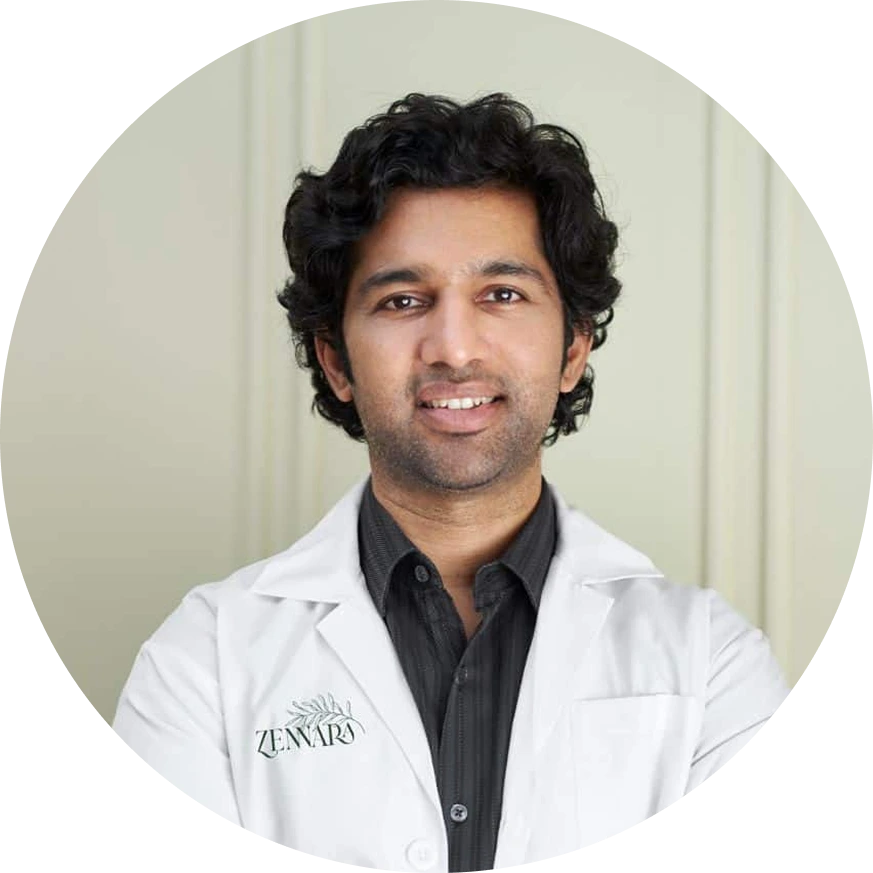
M.D. (Dermatology, Venereology & Leprosy),
F.C.P.S. (Dermatology & Venereology) D.D.V
(CPS, Gold Medallist), M.B.B.S.

M.D. (Dermatology, Venereology & Leprosy),
F.C.P.S. (Dermatology & Venereology) D.D.V
(CPS, Gold Medallist), M.B.B.S.

M.B.B.S, M.D. Dermatology and
Fellowship in Cosmetology
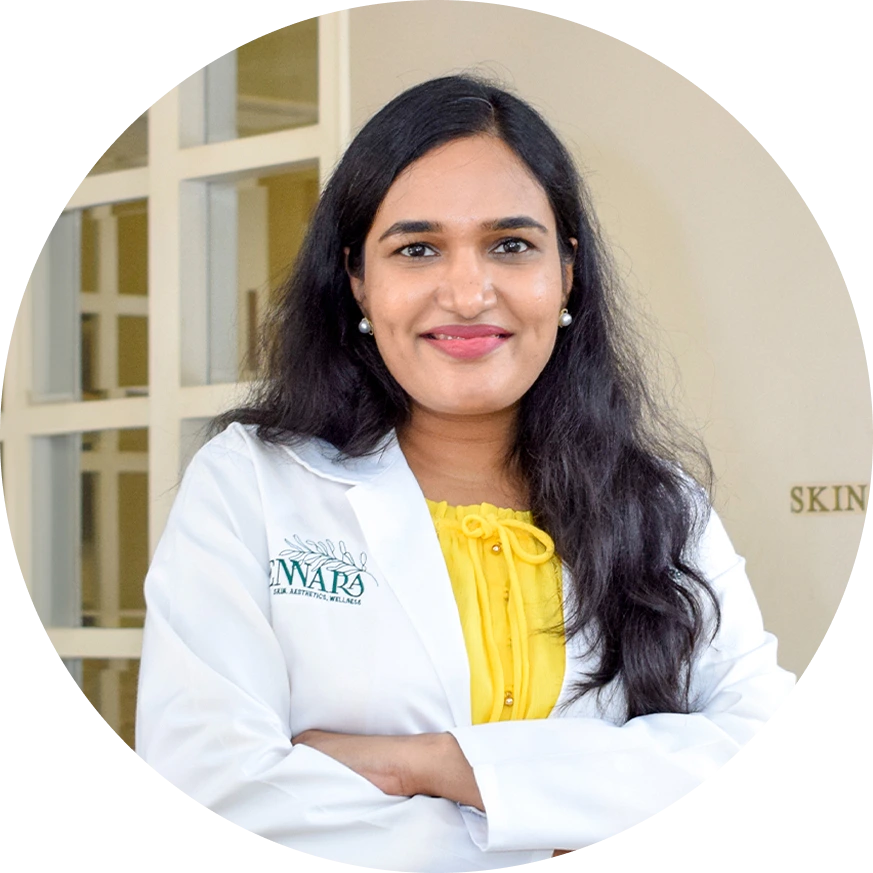
M.B.B.S., M.D. in Dermatology,
Venereology & Leprology

M.B.B.S., M.D. in Dermatology,
Venereology & Leprology

M.B.B.S , M.D. Dermatology, Venereology & Leprosy (Gold medal)
M.D. (Dermatology, Venereology & Leprosy), F.C.P.S. (Dermatology & Venereology) D.D.V (CPS, Gold Medallist), M.B.B.S.
M.D. (Dermatology, Venereology & Leprosy), F.C.P.S. (Dermatology & Venereology) D.D.V (CPS, Gold Medallist), M.B.B.S.
M.B.B.S, M.D. Dermatology and
Fellowship in Cosmetology
M.B.B.S., M.D. in Dermatology,
Venereology & Leprology
M.B.B.S., M.D. in Dermatology,
Venereology & Leprology
M.B.B.S , M.D. Dermatology,
Venereology & Leprosy (Gold medal)
Celebrity Love for Zennara
Celebrity Love for Zennara

Zennara was such a good, relaxing experience!
I try a lot of different facials from many places, and I can say that the ones at Zennara are my favourite and get my face seriously glowing.
“Zennara was such a good, relaxing experience! I try a lot of different facials from many places, and I can say that the ones at Zennara are my favourite and get my face seriously glowing.”
Zennara was such a good, relaxing experience!
I try a lot of different facials from many places, and I can say that the ones at Zennara are my favourite and get my face seriously glowing.

“I love the opinions and suggestions given by the panel of doctors and the wonderful team here at Zennara”

“Right from the welcoming staff to the incredible team of doctors they have here. I truly feel well cared for and can confidently say I’m a very happy customer.”

“Come to Zennara—where every visit is a step closer to inner peace, and the power of zen gives you a natural, radiant glow.”
“Zennara was such a good, relaxing experience!
I try a lot of different facials from many places, and I can say that the ones at Zennara are my favourite and get my face seriously glowing.”
“I love the opinions and suggestions given by the panel of doctors and the wonderful team here at Zennara”
“Right from the welcoming staff to the incredible team of doctors they have here. I truly feel well cared for and can confidently say I’m a very happy customer.”
“Come to Zennara—where every visit is a step closer to inner peace, and the power of zen gives you a natural, radiant glow.”
Discomfort varies by application: Pigmentation treatment: Minimal discomfort, feels like quick snapping—most tolerate without numbing. Tattoo removal: More uncomfortable due to higher energies needed. With topical numbing cream (30-45 min prior), most describe it as tolerable snapping sensation—definitely uncomfortable but bearable. Some compare it to getting the tattoo itself. Pain level depends on location (bony areas more sensitive), tattoo density, individual tolerance. Cooling devices help. Most people handle it well with proper numbing. Pico is generally less painful than Q-Switch lasers due to shorter pulse duration and less thermal damage.
Session requirements vary significantly: Professional tattoos: 6-10+ sessions (dense ink, multiple colors, large size). Amateur tattoos: 2-5 sessions (less ink, shallower, often single color). Pigmentation (melasma, sun spots): 3-6 sessions. Acne scars (with Focus lens): 4-6 sessions. This is 40-50% fewer sessions than traditional Q-Switch lasers would require for the same results. Factors affecting session number: ink/pigment density and depth, colors involved (black fastest, green/yellow slowest), skin type (darker skin requires conservative treatment), immune system efficiency (individual variation in particle clearance), previous treatment history. Sessions must be spaced 6-8 weeks apart for body to eliminate fragmented particles.
Downtime depends on treatment type: Pigmentation treatment: Minimal. Slight redness 1-2 hours, possible light crusting 3-5 days. Makeup possible next day. Resume normal activities immediately. Tattoo removal: More significant. Immediate: Swelling, redness, possible pinpoint bleeding. Days 1-3: Blistering common (normal, expected), crusting develops. Days 3-7: Scabs/crusts shed gradually (do NOT pick). Days 7-10: Most healing complete, residual pinkness may persist weeks. Plan for: 3-5 days keeping area clean/protected, 7-10 days until socially presentable, 2-4 weeks avoiding sun/chlorine/soaking. Pico typically offers 30-40% faster healing than Q-Switch due to less thermal damage.
Pico lasers handle all colors better than any previous technology, but effectiveness varies: Easiest colors: Black, dark blue (1064nm wavelength, excellent absorption). Moderate difficulty: Red, orange (532nm wavelength, good results). Challenging colors: Green, yellow, light blue (require 755nm wavelength or multiple wavelengths, more sessions). White, skin-tone colors: Cannot be targeted (no melanin/pigment to absorb energy). Multi-wavelength Pico devices (532nm, 755nm, 1064nm) offer comprehensive color coverage. However, even with Pico, stubborn colors like green and yellow require patience—expect 8-12+ sessions. Some pigments may never clear completely (95% clearance more realistic goal than 100%). Layered tattoos and cover-ups are most challenging.
Yes, Pico lasers are safer for darker skin (Fitzpatrick IV-VI) than traditional lasers, but expertise and caution remain essential. Why safer: Shorter pulse duration (picoseconds vs nanoseconds) = less thermal buildup, reduced risk of post-inflammatory hyperpigmentation (PIH). Photomechanical effect vs photothermal = less heat damage to melanin-rich epidermis. However, darker skin still requires: Conservative energy settings initially, gradual progression as tolerance established, longer intervals between sessions, strict sun protection before/after treatment, experienced practitioners who understand ethnic skin. Even with Pico, PIH risk isn’t zero—but it’s significantly lower than Q-Switch. Proper technique makes all the difference. Choose providers experienced with darker skin types specifically.
Tattoo fading timeline: Immediately after: Tattoo may appear lighter due to “frosting” (whitening reaction), but this is temporary. Weeks 1-2: Initial healing, tattoo looks unchanged or even darker temporarily. Weeks 2-4: Fragmented ink begins clearing, subtle lightening may be visible. Weeks 4-8: Progressive fading becomes noticeable, improvement continues throughout this period. Peak clearance: 6-8 weeks post-treatment (optimal time for next session). Each session builds upon previous—cumulative lightening over treatment series. Don’t judge results before 8 weeks! Early impatience common but unfounded. Some tattoos lighten dramatically after first session; others show minimal change until 2-3 sessions. Individual immune response varies significantly. Trust the process and spacing.
Yes, Pico lasers can treat melasma, but it’s challenging: Advantages: Lower PIH risk than traditional lasers, effective at fragmenting melasma pigment, safer for darker skin types. Challenges: Melasma is chronic, hormone-driven, notoriously prone to recurrence. Laser treatment can trigger rebound hyperpigmentation if not done carefully. Treatment requires: Ultra-conservative energy settings, extended intervals between sessions (4-6 weeks minimum), combination with topical lightening agents (hydroquinone, tranexamic acid), strict sun protection (lifelong, non-negotiable), realistic expectations (management, not permanent cure), possible maintenance sessions indefinitely. Success depends heavily on: skilled practitioner experienced with melasma, patient compliance with sun protection, addressing hormonal triggers. Pico is safer than older lasers, but melasma remains unpredictable. Some patients achieve excellent results; others experience worsening.
Pico costs more per session than Q-Switch, but often costs less overall: Per-session cost: Pico typically 30-50% more expensive than Q-Switch. Total cost comparison: Pico requires 40-50% fewer sessions for same results. Example: Tattoo removal with Q-Switch might cost 10 sessions × moderate price. Same tattoo with Pico might cost 5-6 sessions × higher price. Total often similar or less with Pico, plus you finish faster! Additional value: Faster results (less waiting time), fewer treatment sessions (less time commitment), reduced downtime per session, less cumulative discomfort, better final results (superior clearance). For stubborn tattoos, pigmentation, or darker skin where PIH is concern, Pico’s advantages often justify premium pricing. For simple, superficial concerns in fair skin, Q-Switch may suffice.
Maximizing results and managing expectations
While Pico lasers are the most effective technology available, tattoo removal still requires patience and realistic expectations.
Pico laser requires fewer sessions than traditional lasers, but still needs appropriate spacing for optimal results.
Revolutionary picosecond technology for tattoo removal, pigmentation, acne scars. 100x faster pulses, fewer sessions, superior results. Safe for all skin types. Schedule consultation.

*Terms & Conditions Apply.