- Now Open in Finacial District and Kondapur
- Customer Care- 10AM to 7PM
- +91-9933332442

Comprehensive management of autoimmune-mediated hair loss. Round patches of sudden hair loss. Immune system attacks follicles. Multiple treatment modalities: corticosteroid injections, topical immunotherapy, oral medications, biologic therapies. Expert dermatological care for hair regrowth.
What is Alopecia Areata?
Alopecia areata is an autoimmune condition where the body’s immune system mistakenly attacks hair follicles, viewing them as foreign invaders. This causes hair to fall out in round or oval patches, typically on the scalp but can affect any hair-bearing area including eyebrows, eyelashes, beard. The condition is non-scarring, meaning follicles remain intact and hair can potentially regrow. Onset often sudden—patients discover smooth bald patches overnight or within days.
The exact cause remains unclear but involves genetic predisposition, environmental triggers (stress, illness, trauma), immune system dysregulation. Subtypes vary in severity: patchy alopecia areata (one or few patches), alopecia totalis (complete scalp hair loss), alopecia universalis (total body hair loss). While not life-threatening, the psychological impact can be profound affecting self-esteem, social interactions. Treatment aims to suppress immune attack allowing regrowth, though no cure exists and recurrence common. Response varies—some spontaneous regrowth, others require ongoing therapy. Early intervention improves outcomes. At Zennara, comprehensive approach combining medical treatments, supportive care, realistic expectations management.
Alopecia Areata Treatment at Zennara provides expert immunosuppressive therapy to halt immune attack and promote hair regrowth. Personalized treatment protocols, compassionate care.


Types of Alopecia Areata
Types of Alopecia Areata
Most common form. One or more coin-sized round or oval smooth bald patches. Usually on scalp but can occur beard, eyebrows, other areas. Hair loss sudden, patches well-defined with normal skin. May remain localized or progress. Best prognosis for regrowth. Treated with intralesional corticosteroids, topical therapies.
Complete loss of all scalp hair. Progression from patchy form or sudden onset. More extensive immune attack. Challenging to treat, lower regrowth rates than patchy. Requires aggressive systemic therapy—oral immunosuppressants, biologics. Psychological support crucial. Wigs, head coverings often needed during treatment.
Most severe form. Complete loss of all body hair—scalp, eyebrows, eyelashes, body, pubic. Profound immune dysregulation. Most resistant to treatment. Regrowth rates lowest. Systemic immunosuppression required. Focus on quality of life, coping strategies. Prosthetic options for eyebrows, eyelashes. Comprehensive supportive care essential.
Most severe form. Complete loss of all body hair—scalp, eyebrows, eyelashes, body, pubic. Profound immune dysregulation. Most resistant to treatment. Regrowth rates lowest. Systemic immunosuppression required. Focus on quality of life, coping strategies. Prosthetic options for eyebrows, eyelashes. Comprehensive supportive care essential.
Comprehensive immunosuppressive therapies
Gold standard first-line treatment for patchy alopecia areata. Triamcinolone acetonide injected directly into affected patches suppressing local immune response. Most effective treatment for localized disease.
Contact sensitizers like DPCP (diphenylcyclopropenone) or SADBE applied to scalp inducing allergic reaction that redirects immune system away from attacking follicles. Highly effective for extensive disease.
Systemic corticosteroids (prednisone), JAK inhibitors (tofacitinib, baricitinib), methotrexate for extensive or rapidly progressing disease. Suppress systemic immune response allowing widespread regrowth.
Targeted immunomodulators like dupilumab under investigation. JAK inhibitors (oral or topical) emerging as breakthrough therapy. Precision medicine approach targeting specific immune pathways.
Minoxidil topical (stimulates growth), anthralin cream (irritant therapy), platelet-rich plasma (anti-inflammatory), low-level light therapy, microneedling enhancing treatment penetration.
Wigs, hair systems, scalp micropigmentation, eyebrow tattoos, prosthetic eyelashes. Psychological counseling, support groups. Quality of life interventions while pursuing medical treatment.
Meet the masters of aesthetics
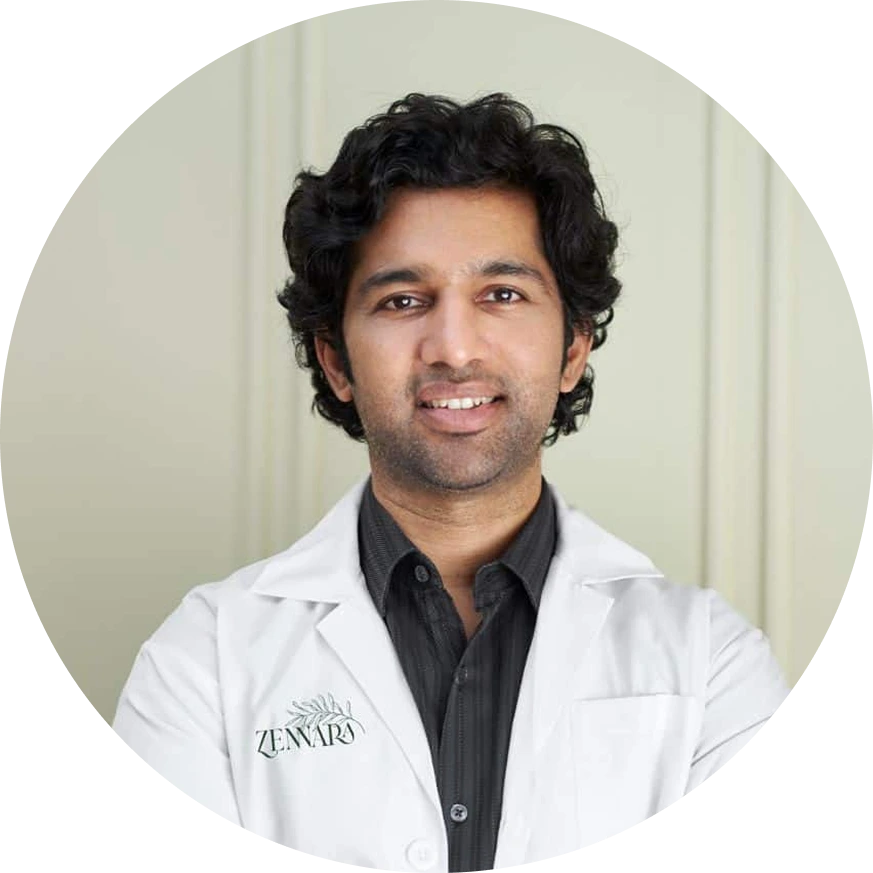
M.D. (Dermatology, Venereology & Leprosy),
F.C.P.S. (Dermatology & Venereology) D.D.V
(CPS, Gold Medallist), M.B.B.S.
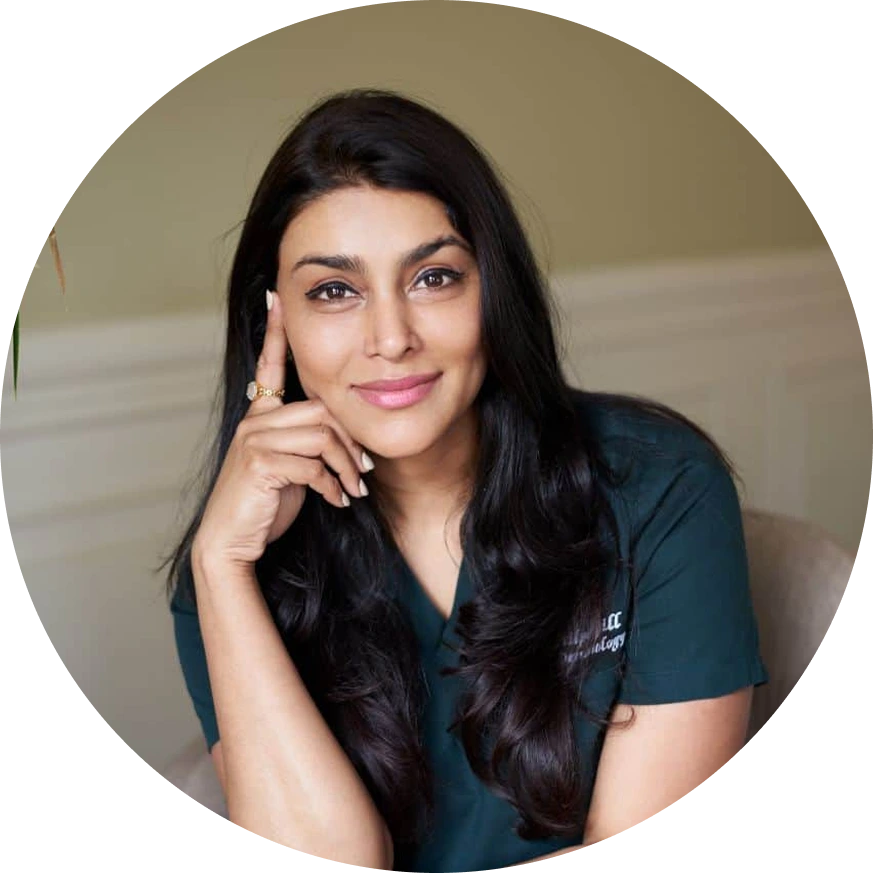
M.D. (Dermatology, Venereology & Leprosy),
F.C.P.S. (Dermatology & Venereology) D.D.V
(CPS, Gold Medallist), M.B.B.S.
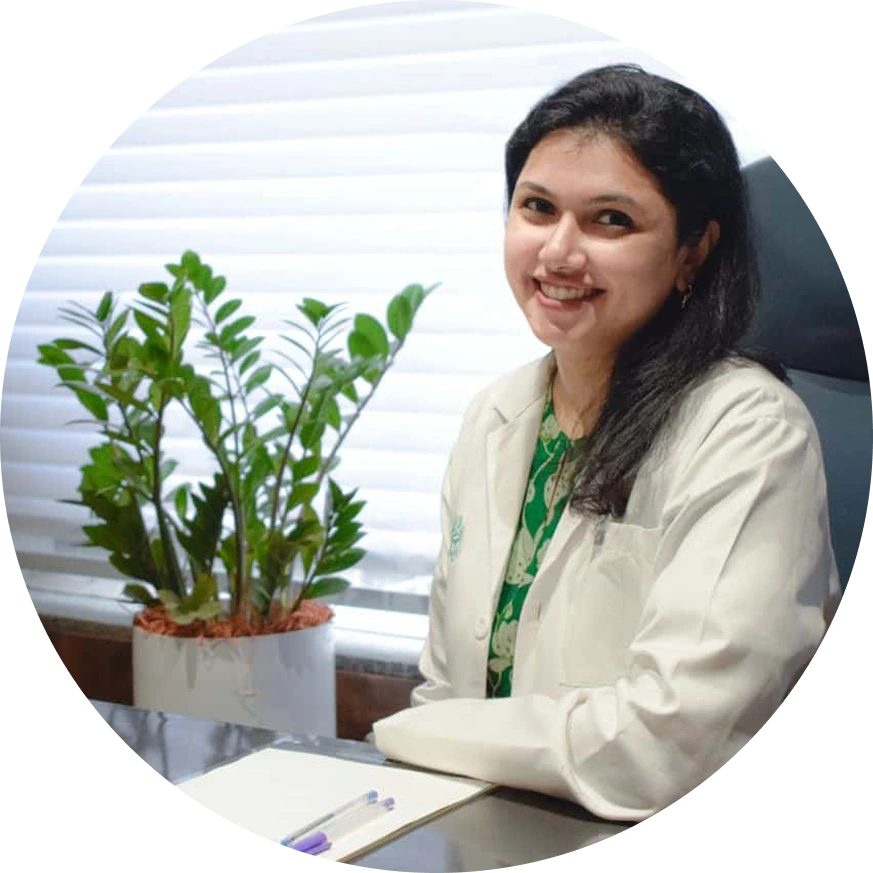
M.B.B.S, M.D. Dermatology and
Fellowship in Cosmetology
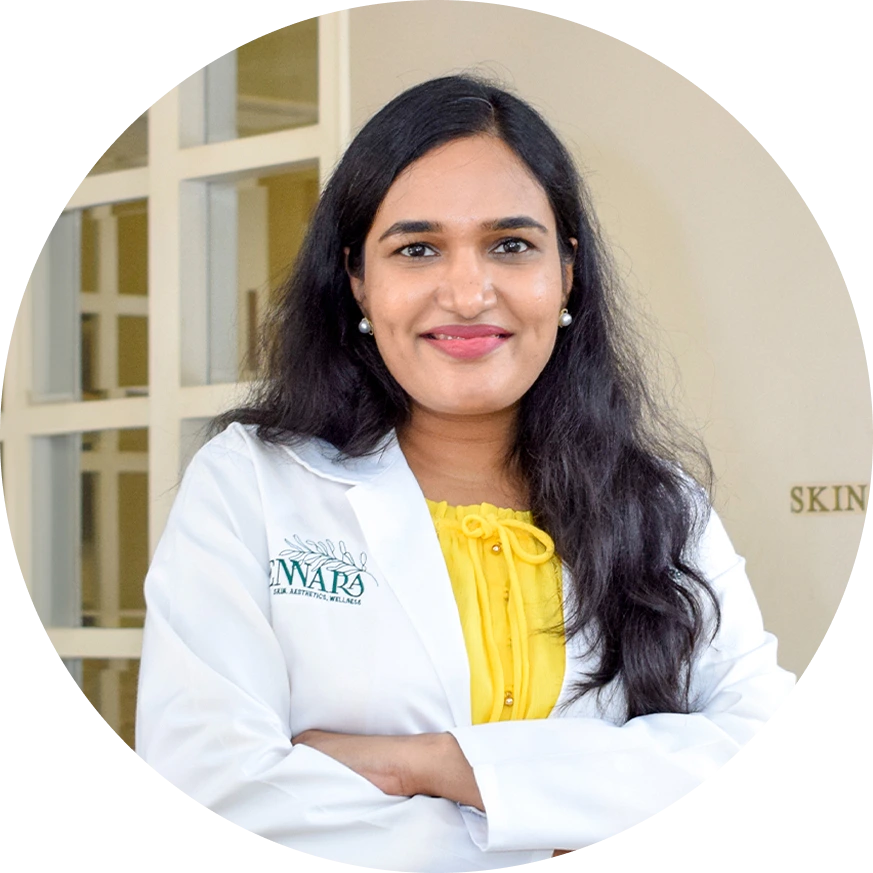
M.B.B.S., M.D. in Dermatology,
Venereology & Leprology

M.B.B.S., M.D. in Dermatology,
Venereology & Leprology
M.B.B.S , M.D. Dermatology, Venereology & Leprosy (Gold medal)
M.D. (Dermatology, Venereology & Leprosy), F.C.P.S. (Dermatology & Venereology) D.D.V (CPS, Gold Medallist), M.B.B.S.
M.D. (Dermatology, Venereology & Leprosy), F.C.P.S. (Dermatology & Venereology) D.D.V (CPS, Gold Medallist), M.B.B.S.
M.B.B.S, M.D. Dermatology and
Fellowship in Cosmetology
M.B.B.S., M.D. in Dermatology,
Venereology & Leprology
M.B.B.S., M.D. in Dermatology,
Venereology & Leprology
M.B.B.S , M.D. Dermatology,
Venereology & Leprosy (Gold medal)
Celebrity Love for Zennara
Celebrity Love for Zennara

Zennara was such a good, relaxing experience!
I try a lot of different facials from many places, and I can say that the ones at Zennara are my favourite and get my face seriously glowing.
“Zennara was such a good, relaxing experience! I try a lot of different facials from many places, and I can say that the ones at Zennara are my favourite and get my face seriously glowing.”
Zennara was such a good, relaxing experience!
I try a lot of different facials from many places, and I can say that the ones at Zennara are my favourite and get my face seriously glowing.

“I love the opinions and suggestions given by the panel of doctors and the wonderful team here at Zennara”

“Right from the welcoming staff to the incredible team of doctors they have here. I truly feel well cared for and can confidently say I’m a very happy customer.”

“Come to Zennara—where every visit is a step closer to inner peace, and the power of zen gives you a natural, radiant glow.”
“Zennara was such a good, relaxing experience!
I try a lot of different facials from many places, and I can say that the ones at Zennara are my favourite and get my face seriously glowing.”
“I love the opinions and suggestions given by the panel of doctors and the wonderful team here at Zennara”
“Right from the welcoming staff to the incredible team of doctors they have here. I truly feel well cared for and can confidently say I’m a very happy customer.”
“Come to Zennara—where every visit is a step closer to inner peace, and the power of zen gives you a natural, radiant glow.”
Alopecia areata is an autoimmune condition where immune system mistakenly attacks hair follicles. Not contagious—cannot be “caught” from someone. Genetic predisposition combined with environmental triggers like stress, viral illness, trauma. Often runs in families with higher rates of other autoimmune conditions (thyroid disease, vitiligo, type 1 diabetes). Exact mechanism not fully understood but involves T-cell mediated immune attack on follicle. Hair loss occurs when immune cells surround and attack the follicle bulb interrupting growth cycle. Follicles not destroyed (non-scarring) so regrowth possible if immune attack suppressed.
Spontaneous regrowth possible, especially first episode with limited patches. Approximately 50% of patients with patchy alopecia areata experience spontaneous regrowth within one year. However, unpredictable—may regrow then fall out again, may progress to more extensive loss. Factors affecting prognosis: extent of loss (limited patches better than extensive), age of onset (childhood onset more challenging), presence of other autoimmune conditions, nail involvement (pitting suggests more severe), family history, ophiasis pattern (poor prognosis). Early treatment improves outcomes even if spontaneous regrowth possible—accelerates process, prevents progression, provides sense of control. Don’t wait and hope—early intervention recommended.
Success rates vary by treatment and disease extent. Intralesional corticosteroids for limited patches: 60-70% achieve cosmetically acceptable regrowth. Topical immunotherapy for extensive disease: 40-60% response rate. JAK inhibitors for severe disease: 60-80% achieve significant regrowth in clinical trials. Important caveats: regrowth often temporary—may fall out again when treatment stops, requires ongoing maintenance, individual response unpredictable, what works for one may not work for another. Realistic expectations crucial—complete permanent cure not possible currently, goal is manage disease, promote regrowth when possible, maintain quality of life. Best outcomes with early aggressive treatment, patient commitment to protocol, comprehensive approach combining medical and supportive care.
Moderate discomfort during injections, manageable with numbing strategies. Without numbing: 5-7 on pain scale—multiple needle pricks in sensitive scalp can be quite uncomfortable. With numbing cream or ice: 3-5 on scale—significantly more tolerable. Sensation: brief sharp pricks as needle enters, pressure/burning as medication injected, stinging sensation few minutes after. Number of injections per session: 20-50+ depending on patch size. Post-treatment: mild tenderness few hours, no significant ongoing pain. Most patients tolerate well given promising results. Tips for minimizing discomfort: topical anesthetic applied 20-30 minutes before, ice pack on area briefly, distraction techniques, smaller gauge needles. Discomfort brief compared to months of hair loss—worthwhile trade-off for most patients.
Response timeline varies by treatment and individual. Intralesional corticosteroids: earliest response 4-8 weeks (vellus hair appearing), substantial regrowth 3-4 months, complete regrowth 6-12 months with continued treatment. Topical immunotherapy: minimum 3-6 months before assessing response, may take 12+ months for optimal results. Oral JAK inhibitors: faster response often—some regrowth within 8-12 weeks, substantial improvement 4-6 months. Hair growth is slow process—normal growth rate 0.5 inches per month, so even when follicles reactivate, takes time for visible length. Patience essential—frustrating to wait but hair biology cannot be rushed. Vellus hair (fine peach fuzz) first sign response—celebrate this even though not cosmetically adequate yet, indicates treatment working. Terminal hair (normal thickness) follows with continued therapy. Consistent adherence to treatment protocol crucial for success.
Cost varies by treatment approach and disease extent. Intralesional corticosteroid injections: ₹2,000-5,000 per session, typically every 4-6 weeks, initial series 3-6 sessions ₹6,000-30,000, ongoing maintenance. Topical immunotherapy: ₹5,000-10,000 initial sensitization, weekly home applications ₹500-1,000 weekly solution. Oral immunosuppressants: Prednisone ₹500-2,000 monthly, Methotrexate ₹1,000-3,000 monthly, JAK inhibitors ₹15,000-40,000 monthly (very expensive). Biologics: ₹30,000-80,000+ monthly (insurance often required). Adjunctive PRP: ₹6,000-15,000 per session. Total investment variable: limited patches ₹10,000-50,000 initial treatment course, extensive disease with systemic therapy ₹1,00,000-5,00,000+ annually. Insurance may cover medical treatments but often not cosmetic solutions. Wigs, cosmetic camouflage additional costs. Investment worthwhile for psychological well-being and potential regrowth. Payment plans, financial counseling available for expensive therapies.
Comprehensive treatment for autoimmune hair loss. Intralesional steroids, topical immunotherapy, systemic medications, advanced biologics. Personalized protocols for every severity. Compassionate support through your journey. Schedule consultation today.

*Terms & Conditions Apply.