- Now Open in Finacial District and Kondapur
- Customer Care- 10AM to 7PM
- +91-9933332442

Expert primary care and specialized diabetes management. Comprehensive health assessments, chronic disease treatment, preventive care, lifestyle counseling. Board-certified physicians providing personalized evidence-based care. Your partner in lifelong health and wellness.
Comprehensive Medical Care
General Physician services provide comprehensive primary care—first point of contact for all health concerns, routine check-ups, acute illness treatment, chronic disease management, preventive screening, health optimization. Our physicians diagnose, treat wide range of conditions from common infections to complex multi-system diseases, coordinating specialist referrals when needed, ensuring continuity of care throughout your health journey.
Diabetology specializes in diabetes management—type 1, type 2, gestational, prediabetes. Comprehensive approach including blood sugar monitoring, medication management (oral medications, insulin therapy), dietary counseling, complication prevention, screening (neuropathy, nephropathy, retinopathy), lifestyle modification support. Goal: achieve optimal glucose control, prevent or delay complications, improve quality of life. At Zennara, integrated medical care complements our wellness, aesthetic services—addressing health foundation enabling you to look, feel your best holistically.
General Physician & Diabetology at Zennara provides comprehensive primary care and expert diabetes management for optimal health and disease prevention. Personalized, compassionate medical care.


Conditions We Treat
Conditions We Treat
Fever, infections, colds, flu, respiratory issues, UTIs
Type 1, Type 2, gestational, prediabetes management
High blood pressure diagnosis, treatment, monitoring
High cholesterol, triglycerides, cardiovascular risk
Hypothyroid, hyperthyroid, thyroid nodules
Polycystic ovary syndrome, metabolic management
NAFLD, metabolic liver disease treatment
Asthma, COPD, chronic cough management
Fatigue, pain, digestive issues, preventive care
Comprehensive primary care and specialized diabetes treatment
Comprehensive health assessments, diagnosis, treatment acute and chronic illnesses. Fever, infections, respiratory issues, gastrointestinal problems, headaches, musculoskeletal pain. Detailed medical history, thorough physical examination, appropriate diagnostic testing (blood work, imaging, ECG). Prescription management, treatment plans, follow-up care. Preventive health counseling—nutrition, exercise, stress management, sleep hygiene. Annual wellness exams, health screening based on age, risk factors. Immunizations, travel medicine advice. Building long-term physician-patient relationship understanding your unique health needs, goals, preferences over time.
Comprehensive diabetic care for all types. Initial diagnosis through glucose testing, HbA1c measurement. Personalized treatment plans: lifestyle modifications (diet, exercise, weight management), oral medications (metformin, sulfonylureas, DPP-4 inhibitors, SGLT-2 inhibitors), injectable therapies (GLP-1 agonists, insulin), continuous glucose monitoring education, self-monitoring blood glucose training. Regular HbA1c monitoring tracking long-term control. Complication screening: annual eye exams (retinopathy), kidney function tests (nephropathy), foot examinations (neuropathy, ulcers), cardiovascular risk assessment. Medication adjustments based on response, side effects, changing needs. Sick day management, hypoglycemia prevention, treatment protocols.
Long-term care for hypertension, high cholesterol, thyroid disorders, PCOS, fatty liver, respiratory conditions (asthma, COPD). Regular monitoring vital signs, lab parameters, symptoms. Medication management optimizing treatment regimens, minimizing side effects, ensuring compliance. Lifestyle counseling supporting behavior changes crucial disease control. Coordination with specialists when complex management needed. Patient education understanding conditions, self-management skills, recognizing warning signs. Preventive strategies delaying disease progression, preventing complications. Empowering you active participant in your care through knowledge, support, ongoing communication with medical team.
Comprehensive testing available on-site or through partner laboratories. Blood tests: complete blood count, metabolic panels, lipid profiles, liver function, kidney function, thyroid tests, HbA1c, vitamin levels, inflammatory markers. Urine analysis, stool tests when indicated. ECG (electrocardiogram) for cardiac assessment. Point-of-care testing rapid results guiding immediate treatment decisions. Coordination of advanced imaging (X-rays, ultrasound, CT, MRI) when needed. Interpretation of results, explaining significance, developing action plans based on findings. Preventive screening: cholesterol, diabetes, cancer markers (PSA, mammography referral) based on age, risk factors, guidelines.
Comprehensive prescription oversight ensuring safe, effective medication use. Review all medications including over-the-counter, supplements identifying potential interactions, duplications, contraindications. Medication reconciliation especially after hospitalizations, specialist visits. Choosing appropriate medications considering efficacy, side effects, cost, patient preferences. Dose optimization balancing therapeutic benefit against adverse effects. Monitoring for medication effectiveness, tolerance through symptoms, lab tests. Deprescribing when appropriate—discontinuing unnecessary medications reducing pill burden, side effects. Patient education proper medication use, timing, storage, recognizing side effects. Prior authorization assistance helping navigate insurance requirements for prescribed treatments.
Proactive approach preventing disease, promoting optimal health. Age-appropriate health screening: cancer (colonoscopy referral, mammography, PSA), cardiovascular risk assessment, bone density, immunizations (flu, pneumonia, shingles, COVID-19). Lifestyle counseling: nutrition optimization, physical activity planning, weight management, smoking cessation, alcohol moderation, stress reduction techniques. Sleep assessment, improvement strategies. Mental health screening addressing depression, anxiety affecting physical health. Occupational health advice. Travel medicine consultation, vaccinations. Genetic risk counseling when family history concerning. Annual wellness visits comprehensive review maintaining health, catching problems early when most treatable. Longevity, quality of life focus not just disease treatment.
Meet the masters of aesthetics
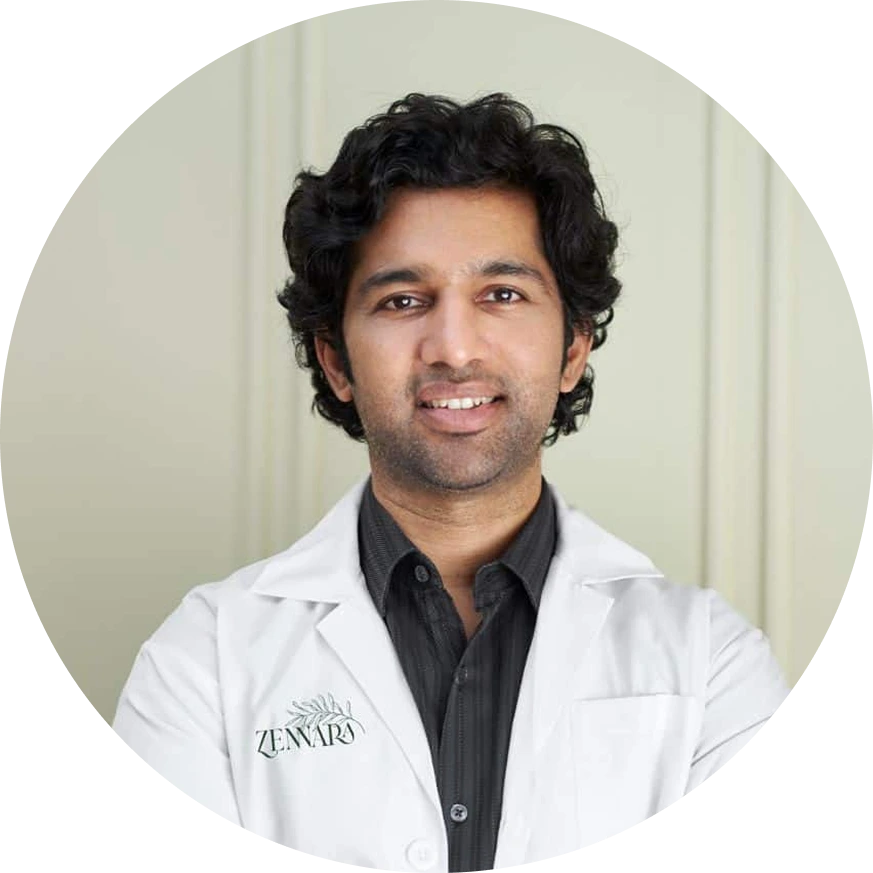
M.D. (Dermatology, Venereology & Leprosy),
F.C.P.S. (Dermatology & Venereology) D.D.V
(CPS, Gold Medallist), M.B.B.S.

M.D. (Dermatology, Venereology & Leprosy),
F.C.P.S. (Dermatology & Venereology) D.D.V
(CPS, Gold Medallist), M.B.B.S.

M.B.B.S, M.D. Dermatology and
Fellowship in Cosmetology

M.B.B.S., M.D. in Dermatology,
Venereology & Leprology

M.B.B.S., M.D. in Dermatology,
Venereology & Leprology

M.B.B.S , M.D. Dermatology, Venereology & Leprosy (Gold medal)
M.D. (Dermatology, Venereology & Leprosy), F.C.P.S. (Dermatology & Venereology) D.D.V (CPS, Gold Medallist), M.B.B.S.
M.D. (Dermatology, Venereology & Leprosy), F.C.P.S. (Dermatology & Venereology) D.D.V (CPS, Gold Medallist), M.B.B.S.
M.B.B.S, M.D. Dermatology and
Fellowship in Cosmetology
M.B.B.S., M.D. in Dermatology,
Venereology & Leprology
M.B.B.S., M.D. in Dermatology,
Venereology & Leprology
M.B.B.S , M.D. Dermatology,
Venereology & Leprosy (Gold medal)
Celebrity Love for Zennara
Celebrity Love for Zennara

Zennara was such a good, relaxing experience!
I try a lot of different facials from many places, and I can say that the ones at Zennara are my favourite and get my face seriously glowing.
“Zennara was such a good, relaxing experience! I try a lot of different facials from many places, and I can say that the ones at Zennara are my favourite and get my face seriously glowing.”
Zennara was such a good, relaxing experience!
I try a lot of different facials from many places, and I can say that the ones at Zennara are my favourite and get my face seriously glowing.

“I love the opinions and suggestions given by the panel of doctors and the wonderful team here at Zennara”

“Right from the welcoming staff to the incredible team of doctors they have here. I truly feel well cared for and can confidently say I’m a very happy customer.”

“Come to Zennara—where every visit is a step closer to inner peace, and the power of zen gives you a natural, radiant glow.”
“Zennara was such a good, relaxing experience!
I try a lot of different facials from many places, and I can say that the ones at Zennara are my favourite and get my face seriously glowing.”
“I love the opinions and suggestions given by the panel of doctors and the wonderful team here at Zennara”
“Right from the welcoming staff to the incredible team of doctors they have here. I truly feel well cared for and can confidently say I’m a very happy customer.”
“Come to Zennara—where every visit is a step closer to inner peace, and the power of zen gives you a natural, radiant glow.”
General physicians your first point of contact for most health concerns. See a general physician for: acute illnesses (fever, cough, cold, flu, infections, pain, digestive issues), chronic disease management (diabetes, hypertension, cholesterol, thyroid), preventive care (annual wellness exams, health screening, immunizations), medication management (prescription refills, medication review, adjustments), unexplained symptoms (fatigue, weight changes, persistent pain, concerning symptoms), minor injuries (sprains, cuts requiring non-emergency care), mental health concerns (depression, anxiety screening, initial management or referral). General physicians diagnose, treat wide range of conditions, coordinate specialist referrals when advanced care needed, provide continuity overseeing your overall health. Annual wellness visits recommended even when feeling well—preventive screening, health optimization, building physician relationship enabling better care when issues arise. Don’t wait for problems to worsen—early intervention often prevents complications, achieves better outcomes.
Diabetes diagnosis based on blood glucose testing. Diagnostic criteria: Fasting plasma glucose ≥126 mg/dL (after 8+ hours fasting) on two separate occasions. Random plasma glucose ≥200 mg/dL with symptoms (excessive thirst, urination, unexplained weight loss). Oral glucose tolerance test ≥200 mg/dL at 2 hours after 75g glucose load. HbA1c ≥6.5% (reflects average blood sugar over 2-3 months). Prediabetes diagnosed: fasting glucose 100-125 mg/dL, HbA1c 5.7-6.4%. Once diagnosed, monitoring essential: HbA1c testing every 3-6 months tracking long-term control (goal typically <7%, individualized based on age, complications, hypoglycemia risk). Self-monitoring blood glucose (SMBG) frequency depends on treatment—insulin users test multiple times daily, oral medication users less frequently, prediabetes periodic monitoring. Continuous glucose monitors (CGM) available providing real-time glucose readings, trend data, alerts—increasingly common especially insulin-dependent diabetes. Regular screening for complications: annual comprehensive eye exam (retinopathy), kidney function tests, urine albumin (nephropathy), foot examination (neuropathy, ulcers), lipid panel, blood pressure monitoring (cardiovascular risk). Monitoring guides treatment adjustments ensuring optimal glucose control while preventing hypoglycemia, complications.
HbA1c (hemoglobin A1c, glycated hemoglobin) measures average blood glucose over past 2-3 months. Glucose attaches to hemoglobin in red blood cells; higher blood sugar = more glucose attached. Test expressed as percentage. Normal (non-diabetic): <5.7%. Prediabetes: 5.7-6.4%. Diabetes: ≥6.5%. Diabetes treatment goals individualized but general targets: Adults most people with diabetes: <7% (corresponds to average glucose ~154 mg/dL). Strict control candidates (newly diagnosed, long life expectancy, no cardiovascular disease): <6.5% reduces microvascular complications risk. Less strict acceptable (elderly, limited life expectancy, advanced complications, hypoglycemia risk): <8% balancing benefits against risks. Pregnancy with diabetes: <6% but monitored differently—daily glucose testing more important. Why individualized? Younger patients benefit from tight control preventing complications over decades. Older adults, those with heart disease, frequent hypoglycemia may suffer more harm from aggressive control than benefit. Physician considers your age, diabetes duration, complication presence, hypoglycemia awareness, treatment side effects setting appropriate target. HbA1c checked every 3 months if not at goal or treatment changed, every 6 months if stable meeting targets. Useful tracking long-term control but doesn’t show daily fluctuations—complement with occasional glucose monitoring understanding patterns.
Prediabetes (fasting glucose 100-125 mg/dL, HbA1c 5.7-6.4%) indicates increased diabetes risk—not yet diabetes but warning signal. First-line treatment: intensive lifestyle modification proven highly effective preventing or delaying diabetes progression. Weight loss 5-7% body weight (if overweight), regular physical activity 150 minutes/week moderate exercise, healthy diet (reduced refined carbs, sugars, increased fiber, whole grains, vegetables), stress management, adequate sleep. Diabetes Prevention Program study showed lifestyle changes reduced diabetes risk 58%, more effective than medication. Medication (typically metformin) considered when: high diabetes risk (HbA1c ≥6%, BMI ≥35, age <60, history gestational diabetes, strong family history), lifestyle modifications alone insufficient after 3-6 months trial, patient preference after discussion risks/benefits. Metformin reduces diabetes progression risk ~31%—less effective than lifestyle but still beneficial. Not all prediabetes requires medication—decision individualized based on risk factors, ability to make lifestyle changes, patient values, preferences. Many people successfully reverse prediabetes through lifestyle alone never progressing to diabetes. Regular monitoring essential (HbA1c every 6-12 months) catching progression early, adjusting interventions. Prediabetes opportunity for intervention—taking action now prevents future complications, medication dependence, diabetes burden.
Diabetes requires regular monitoring ensuring optimal control, early complication detection. Recommended frequency: Physician visits: every 3 months if not meeting glucose targets or treatment changed, every 6 months if stable meeting goals. Some patients need monthly initially when starting insulin or major medication changes. HbA1c testing: every 3 months if not at goal, every 6 months if meeting targets consistently. Annual comprehensive exams: Dilated eye examination (retinopathy screening)—can be every 2 years if no retinopathy several years, but annual initially or if changes detected. Comprehensive foot examination assessing sensation (neuropathy), pulses (circulation), skin integrity (ulcer risk). Kidney function (serum creatinine, eGFR) and urine albumin testing (nephropathy screening). Lipid panel (cholesterol, triglycerides)—cardiovascular risk assessment. Blood pressure monitoring—each visit, target <130/80 typically. Periodic assessments: Dental exams every 6 months (diabetes increases gum disease risk). Influenza vaccination annually. Pneumococcal vaccine per guidelines. COVID-19, other immunizations. Self-monitoring: Daily or multiple times daily blood glucose if on insulin. Less frequent if oral medications only—varies based on regimen. Between visits: contact physician if persistent hyperglycemia (>250-300 mg/dL), symptoms hypoglycemia, illness affecting control (sick day management), new concerning symptoms, medication side effects. Proactive monitoring, regular care prevents complications, maintains quality of life, adjusts treatments optimizing outcomes.
“Reversal” vs “remission” important distinction—diabetes chronic progressive disease, not truly cured but can be put into remission where glucose normalizes without medication. Type 2 diabetes remission possible: Weight loss most effective—substantial weight loss (10-15%+ body weight especially if recently diagnosed) can restore insulin sensitivity, pancreatic function achieving normal glucose without medications. Bariatric surgery achieves remission 60-80% cases especially first few years post-diabetes. Intensive lifestyle interventions (very low-calorie diets, extreme carbohydrate restriction) induce remission some people—requires sustained adherence maintaining weight loss. Factors affecting remission likelihood: Duration—newly diagnosed diabetes (within 5 years) more likely reversible than long-standing (pancreas less damaged). Degree insulin resistance—those primarily insulin resistant (vs insulin deficient) better candidates. Weight loss magnitude—greater weight loss, higher remission rates. Individual variation—genetics, pancreatic reserve affect outcomes. Important: even if remission achieved, diabetes not “cured”—still have increased relapse risk if weight regained, lifestyle slips. Continued monitoring, healthy living essential. Some people never achieve remission despite best efforts—pancreatic function too impaired. Medication often needed controlling glucose, preventing complications—not failure, just disease reality. Type 1 diabetes cannot be reversed—autoimmune destruction pancreatic beta cells, requires lifelong insulin. Focus: optimal management, complication prevention, quality of life regardless whether remission achieved.
General Physician & Diabetology—comprehensive primary care and expert diabetes management. Preventive screening, chronic disease treatment, personalized care plans. Board-certified physicians, evidence-based protocols. Schedule your consultation today for optimal health.

*Terms & Conditions Apply.