If you’ve been struggling with stubborn pigmentation, acne scars, or uneven skin tone — and feel like nothing has truly worked — you’re not alone. Millions of people across India, particularly those with deeper skin tones, face the frustration of treatments that promise results but fall short or, worse, leave behind new damage. Pico Laser is changing that story, and at Zennara Clinic in Hyderabad, it’s one of the most requested advanced skin treatments we offer.
Here’s your complete, honest guide to what Pico Laser is, how it works, who it’s ideal for, and what you can realistically expect.
What Is Pico Laser and How Is It Different?
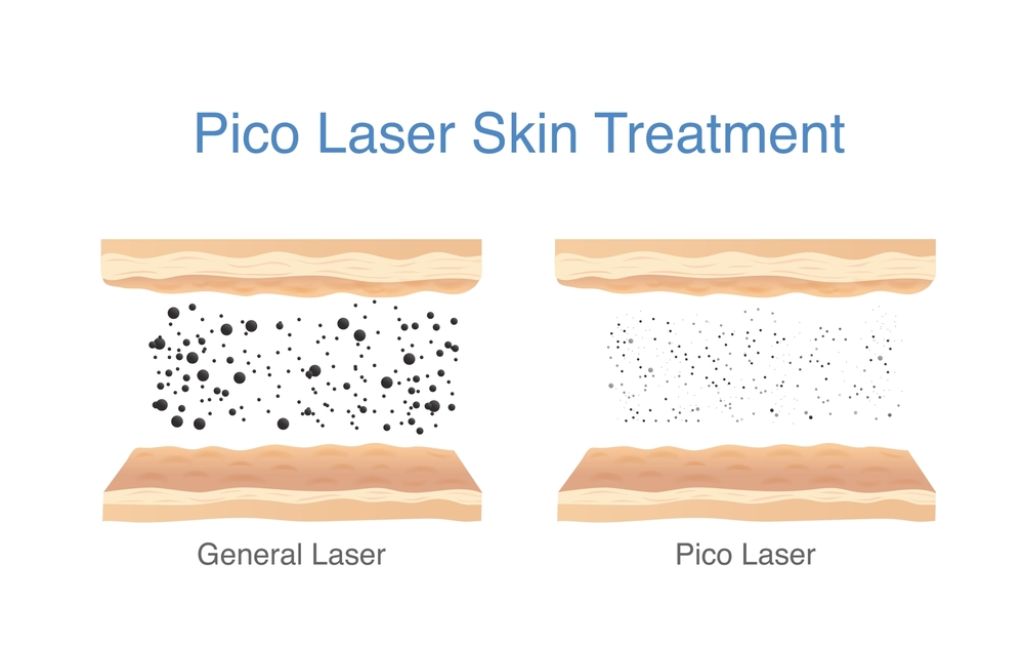
Pico Laser is a next-generation laser technology that delivers energy pulses in picoseconds — that’s trillionths of a second, making it 100 times faster than traditional Q-Switch nanosecond lasers.
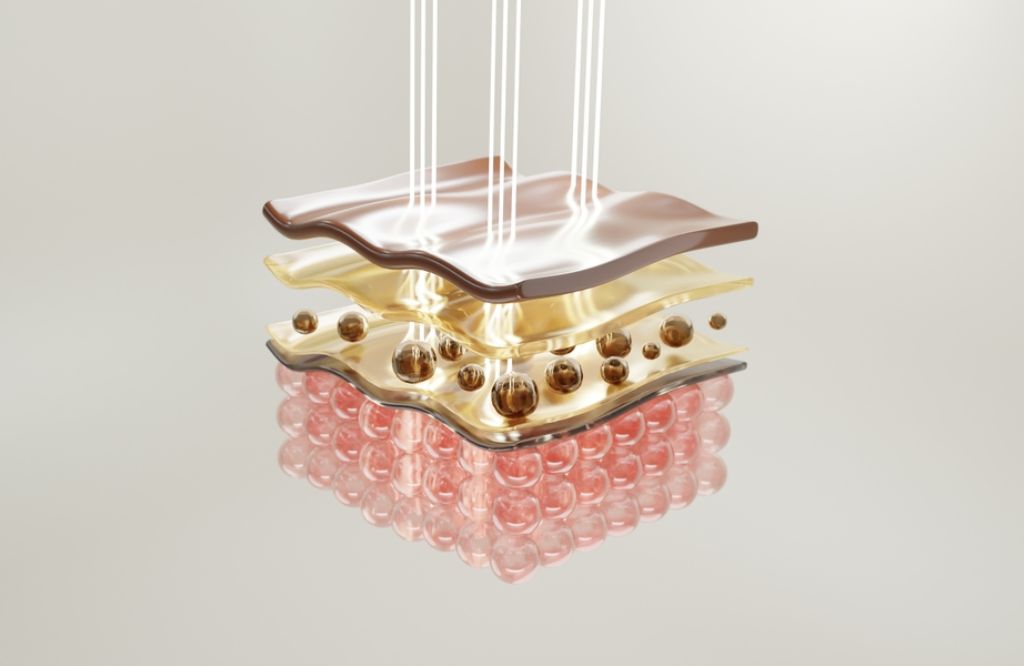
Why does speed matter? Because the ultra-short pulse creates a photomechanical (pressure-based) effect rather than a photothermal (heat-based) one. In plain terms: instead of burning pigment particles away, Pico Laser shatters them into microscopic dust-like fragments that your body’s immune system can eliminate far more efficiently.
The result? Clearer skin in fewer sessions, with significantly less downtime and a much lower risk of post-inflammatory hyperpigmentation (PIH) — the darkening that often follows laser treatments in people with deeper skin tones.
What Can Pico Laser Treat?
Pico Laser is a genuinely versatile treatment. At Zennara Clinic, our dermatologists use it to address a wide range of skin concerns:
| Concern | Typical Sessions | Notes |
|---|---|---|
| Melasma | 4–8 sessions | Requires conservative settings + sun protection |
| Sun spots / Age spots | 2–4 sessions | Responds very well |
| Post-inflammatory hyperpigmentation (PIH) | 3–6 sessions | Common in Indian skin post-acne |
| Acne scars (atrophic) | 4–6 sessions | Focus lens for collagen stimulation |
| Skin texture & pore refinement | 3–5 sessions | Excellent rejuvenation effect |
| Tattoo removal | 4–10+ sessions | Varies by ink colour and depth |
| Freckles & epidermal pigmentation | 2–4 sessions | Often dramatic improvement |
Why Pico Laser Is Especially Suited to Indian Skin Tones
This is important — and something we speak about openly at Zennara Clinic.
People with Fitzpatrick Type IV–VI skin (the skin tones common across South India and Hyderabad) are at higher risk of PIH with traditional laser treatments. Older Q-Switch lasers are heat-based, and that thermal energy can trigger melanin overproduction in darker skin, leaving you with hyperpigmentation where you started with pigmentation.
Pico Laser’s photomechanical mechanism generates significantly less heat, making it a considerably safer option for brown and deeper skin tones. That said, expertise still matters enormously. At Zennara, our board-certified dermatologists calibrate energy settings conservatively for each patient’s Fitzpatrick type, progressing gradually for the safest and most effective outcomes.
Pico Laser vs Q-Switch: A Clear Comparison
| Feature | Q-Switch (Nanosecond) | Pico Laser (Picosecond) |
|---|---|---|
| Pulse duration | Nanoseconds (billionths of a second) | Picoseconds (trillionths of a second) |
| Mechanism | Photothermal (heat-based) | Photomechanical (pressure-based) |
| Sessions needed | 8–15 for tattoos; 6–10 for pigmentation | 4–8 for tattoos; 3–6 for pigmentation |
| PIH risk for darker skin | Higher | Significantly lower |
| Downtime per session | 5–7 days | 2–4 days |
| Discomfort | More | Less |
| Colour range (tattoos) | Limited on green, blue | Treats all colours effectively |
| Overall cost | Lower per session | Often similar or less in total (fewer sessions) |
The bottom line: Pico Laser may cost slightly more per session, but because it requires 40–50% fewer sessions than Q-Switch for the same results, the total investment is often comparable — and you finish faster with better outcomes.
What to Expect During Your Pico Laser Journey at Zennara
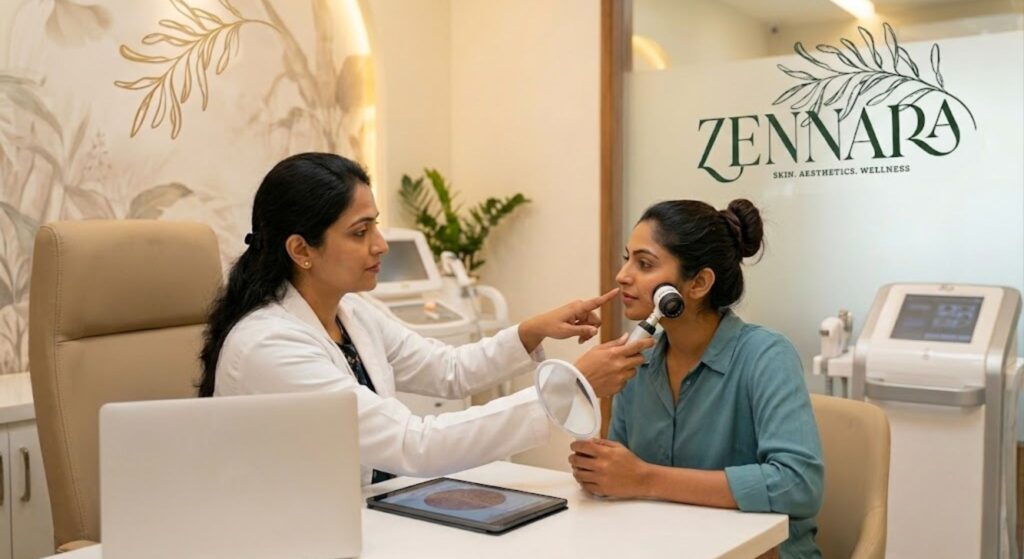
Step 1 — Comprehensive Skin Assessment Before any treatment begins, our dermatologists evaluate your skin type (using the Fitzpatrick scale), the depth and nature of your concern, your treatment history, and your goals. Photography is taken to document your baseline accurately.
Step 2 — Preparation & Numbing The treatment area is cleansed, and a topical numbing cream is applied for 30–45 minutes beforehand, particularly important for tattoo removal sessions. Protective eyewear is provided throughout.
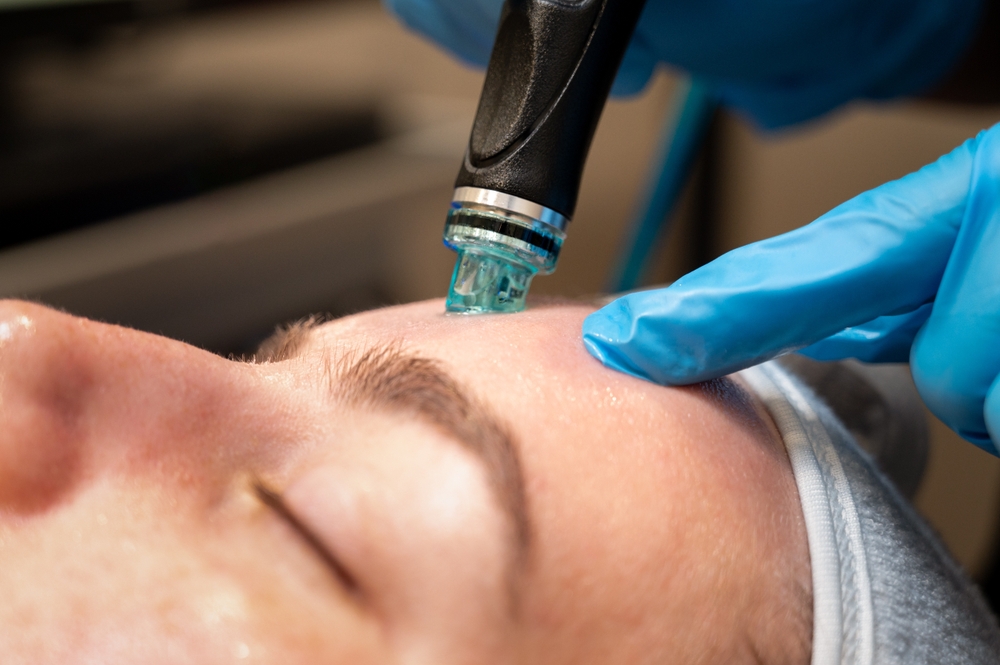
Step 3 — The Treatment The appropriate wavelength is selected — 532nm, 755nm, or 1064nm — based on the target pigment or concern. The laser systematically treats the area with rapid picosecond pulses. You’ll feel a quick snapping sensation. Most pigmentation treatments take 15–30 minutes.
Step 4 — Post-Treatment Care Some redness and mild swelling are normal and typically resolve within hours to a day or two. For tattoo removal, occasional blistering and crusting may occur in the first week — this is a normal part of the healing process. Strict sun avoidance and prescribed aftercare are essential.
Step 5 — Progressive Clearance Results develop over 4–8 weeks as your immune system eliminates the fragmented pigment particles. Sessions are spaced 6–8 weeks apart for optimal outcomes.
A Note on Realistic Expectations
At Zennara Clinic, we believe in honest conversations — not just impressive-sounding promises.
Pico Laser can deliver significant, visible improvement in most patients, but results depend on your skin type, the nature of your concern, how well you protect your skin from sun exposure between sessions, and your overall skin health. Melasma, for example, is a complex, hormonally-driven condition that can be managed but not permanently “cured” by any single treatment.
What we can commit to is a personalised protocol designed specifically for your skin — because no two people’s skin is the same, and the Zennara way has always been science-backed, tailored to you.
Is Pico Laser Safe? What Does the Research Say?
Clinical studies published in dermatological literature, including research referenced in the Journal of the American Academy of Dermatology, support the use of picosecond lasers as an effective and comparatively safer option for pigmentation and textural concerns, particularly in patients with darker skin tones where the risk of adverse effects with nanosecond lasers is well-documented.
At Zennara, treatments are performed exclusively by our team of qualified dermatologists — never by technicians alone — ensuring both safety and optimal results.
Frequently Asked Questions About Pico Laser
Q1: Is Pico Laser painful?
For pigmentation treatments, most patients describe it as a quick snapping sensation — tolerable and brief. Tattoo removal requires higher energy settings and may be more uncomfortable, but with topical numbing cream applied beforehand, most patients manage it well. Pico Laser is generally less painful than Q-Switch treatment due to its shorter pulse duration and reduced thermal effect.
Q2: How many sessions will I need? It varies based on your specific concern. Pigmentation conditions like sun spots may respond in 2–4 sessions, while melasma or acne scars typically require 4–8 sessions. Tattoo removal depends heavily on ink colour, depth, and density. Our dermatologists will give you a realistic session estimate at your initial consultation.
Q3: Is Pico Laser safe for darker skin tones? Yes — Pico Laser is considered considerably safer for Fitzpatrick Type IV–VI skin than traditional nanosecond lasers, due to its photomechanical mechanism and reduced heat generation. However, it is essential to receive treatment from experienced practitioners who understand the nuances of treating Indian skin tones specifically. At Zennara Clinic in Hyderabad, this is something our team is specifically trained in.
Q4: Can Pico Laser treat melasma? Yes, though melasma requires careful management rather than a one-time cure. Pico Laser may help reduce melasma pigmentation effectively, but it works best as part of a broader treatment plan that includes topical lightening agents, strict daily sun protection, and lifestyle adjustments. Our dermatologists will design a personalised plan tailored to your skin.
Q5: What is the downtime after Pico Laser? For pigmentation treatments, downtime is minimal — slight redness for a few hours. Most patients can resume their routine the next day. Tattoo removal involves more recovery, with blistering and crusting normal in the first 7–10 days. Pico Laser typically heals 30–40% faster than Q-Switch treatment.
Ready to See What Pico Laser Can Do for Your Skin?
If you’re in Hyderabad and looking for a safe, effective, and clinically proven solution for pigmentation, acne scars, or uneven skin tone, we’d love to welcome you to Zennara Clinic.
Our dermatologists across our Jubilee Hills, Kondapur, and Financial District locations are here to assess your skin honestly, answer your questions fully, and create a treatment plan built around your skin — not a one-size-fits-all protocol.
👉 Book your Pico Laser consultation at Zennara Clinic → 📞 Jubilee Hills: +91 7070701099 | Kondapur: +91 8977759580 ✉️ [email protected]
Real transformations, not just quick fixes.
Suggested Internal Links