Now Open in Financial District and Kondapur
- Customer Care- 10AM to 7PM
- +91-9933332442
Precisely release fibrous bands tethering scars to underlying tissue. Immediate elevation of depressed scars. Essential for rolling scars and tethered depressions. Permanent improvement.
What is Subcision?
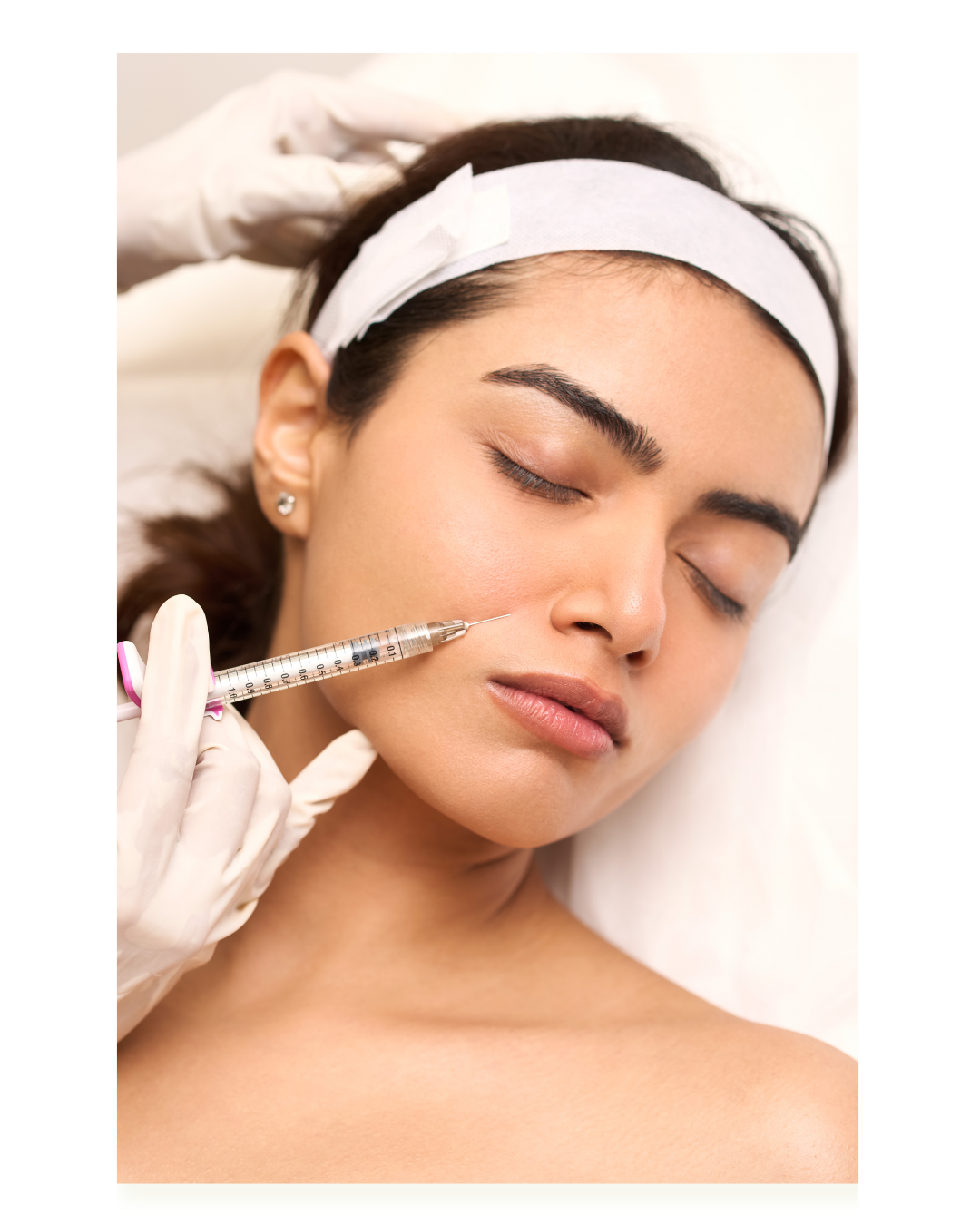
Subcision is a minor surgical procedure that treats depressed scars by releasing the fibrous bands of scar tissue that tether the skin surface to underlying structures. Using a specialized needle (typically 18-22 gauge Nokor needle), the dermatologist inserts the needle under the scar, moving it back and forth in a fan-like pattern to mechanically break these tethering attachments. This allows the depressed area to elevate naturally.
The procedure creates a controlled pocket under the scar that fills with blood, forming a hematoma. This blood clot is replaced by new collagen during healing, providing long-term structural support that keeps the scar elevated. Subcision is particularly effective for rolling scars and deep tethered depressions where fibrous bands pull skin downward. Often combined with fillers for immediate volume and lasers or microneedling for comprehensive scar improvement.
Subcision at Zennara is the essential treatment for tethered rolling scars. Experience surgical precision that releases fibrous bands for immediate elevation and lasting structural improvement.
Surgical precision for permanent scar elevation

Ideal Scar Types for Subcision
Ideal Scar Types for Subcision
Perfect candidate. Rolling scars with wave-like appearance are caused by fibrous bands tethering skin. Subcision is the primary treatment—releases bands for immediate, dramatic improvement.
Good candidate. Deep boxcar scars with tethering benefit significantly. Subcision releases base, allowing filler or laser to address the remaining depression more effectively.
Essential treatment. Any depressed scar with visible or palpable tethering responds well. If skin doesn't elevate when stretched, tethering exists and subcision is indicated.
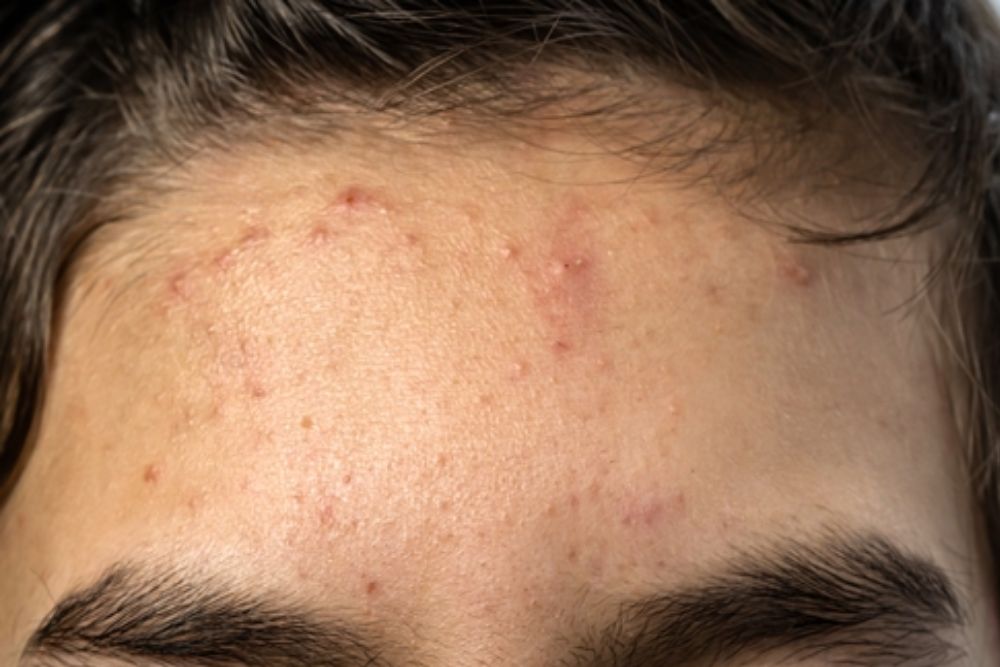
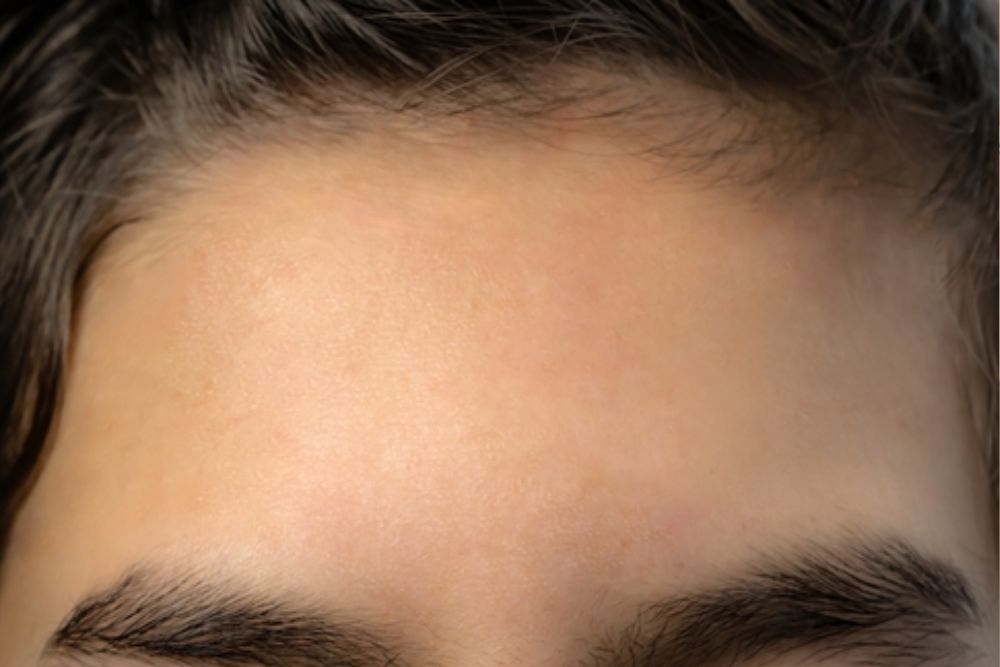
See the elevation and improvement possible
Meet the masters of aesthetics
M.D. (Dermatology, Venereology & Leprosy),
F.C.P.S. (Dermatology & Venereology) D.D.V
(CPS, Gold Medallist), M.B.B.S.

M.D. (Dermatology, Venereology & Leprosy),
F.C.P.S. (Dermatology & Venereology) D.D.V
(CPS, Gold Medallist), M.B.B.S.

M.B.B.S, M.D. Dermatology and
Fellowship in Cosmetology

M.B.B.S., M.D. in Dermatology,
Venereology & Leprology

M.B.B.S., M.D. in Dermatology,
Venereology & Leprology

M.B.B.S , M.D. Dermatology, Venereology & Leprosy (Gold medal)
M.D. (Dermatology, Venereology & Leprosy), F.C.P.S. (Dermatology & Venereology) D.D.V (CPS, Gold Medallist), M.B.B.S.
M.D. (Dermatology, Venereology & Leprosy), F.C.P.S. (Dermatology & Venereology) D.D.V (CPS, Gold Medallist), M.B.B.S.
M.B.B.S, M.D. Dermatology and
Fellowship in Cosmetology
M.D. (Dermatology, Venereology & Leprosy), F.C.P.S. (Dermatology & Venereology) D.D.V (CPS, Gold Medallist), M.B.B.S.
M.B.B.S., M.D. in Dermatology,
Venereology & Leprology
M.B.B.S , M.D. Dermatology,
Venereology & Leprosy (Gold medal)
Celebrity Love for Zennara
Celebrity Love for Zennara

Zennara was such a good, relaxing experience!
I try a lot of different facials from many places, and I can say that the ones at Zennara are my favourite and get my face seriously glowing.
“Zennara was such a good, relaxing experience! I try a lot of different facials from many places, and I can say that the ones at Zennara are my favourite and get my face seriously glowing.”
Zennara was such a good, relaxing experience!
I try a lot of different facials from many places, and I can say that the ones at Zennara are my favourite and get my face seriously glowing.

“I love the opinions and suggestions given by the panel of doctors and the wonderful team here at Zennara”

“Right from the welcoming staff to the incredible team of doctors they have here. I truly feel well cared for and can confidently say I’m a very happy customer.”

“Come to Zennara—where every visit is a step closer to inner peace, and the power of zen gives you a natural, radiant glow.”
“Zennara was such a good, relaxing experience!
I try a lot of different facials from many places, and I can say that the ones at Zennara are my favourite and get my face seriously glowing.”
“I love the opinions and suggestions given by the panel of doctors and the wonderful team here at Zennara”
“Right from the welcoming staff to the incredible team of doctors they have here. I truly feel well cared for and can confidently say I’m a very happy customer.”
“Come to Zennara—where every visit is a step closer to inner peace, and the power of zen gives you a natural, radiant glow.”
With proper local anesthesia, the procedure itself is not painful—you’re completely numb. You’ll feel pressure, tugging, and hear/feel the “pop” of tethers releasing (which can be unsettling but not painful). Needle insertion for anesthesia stings briefly. Post-procedure, expect soreness and tenderness for 3-5 days as bruising develops—manageable with ice and over-the-counter pain relief. The bruising itself isn’t painful but the area feels sore to touch. Most people report the procedure far less uncomfortable than anticipated once properly numbed.
Be honest: bruising is significant and unavoidable—it’s actually the goal! Expect dark purple/blue bruises for 7-10 days, then fading through yellow/green stages for another week. Facial bruising: highly visible, difficult to conceal with makeup initially (days 1-5). Plan to take 7-10 days off social activities or schedule treatment before vacation/break. Bruising worse if: on blood thinners, naturally bruise easily, extensive subcision performed. Better if: ice applied immediately, avoid blood thinners pre-treatment, experienced practitioner. The bruising resolves completely, but short-term it’s dramatic.
Most patients need 2-3 subcision sessions for optimal improvement. First session: Releases many tethers, provides significant elevation. Second session (6-8 weeks later): Addresses remaining or reforming tethers, enhances results. Third session (if needed): Fine-tuning for maximum improvement. Severe tethering may require 3-4 sessions. Some tethers may partially reform (though less severely), requiring repeat release. Each session typically improves results by another 20-30%. Patience and commitment to multiple sessions essential for best outcomes.
Results are long-lasting but nuanced: Released tethers don’t typically reform to pre-treatment severity—improvement maintained. New collagen deposition provides permanent structural support. However: Some mild re-tethering can occur (10-20% regression possible), natural aging continues affecting skin, maintenance may be needed years later. Think of subcision as “cutting the anchors” holding skin down—those anchors don’t grow back identically, but new minor attachments might form over time. Most patients maintain 70-80% of improvement long-term. Much more permanent than fillers alone.
Yes, subcision can be done alone, but optimal results typically require combination approach. Subcision alone: Releases tethering, allows elevation, stimulates collagen. Best for: Mild-moderate rolling scars with prominent tethering. Limitations: May not fully elevate very deep scars, doesn’t address texture/surface issues, no immediate volume replacement. Most protocols combine subcision with: Fillers (immediate volume + structure), MNRF or laser (texture + additional collagen), TCA CROSS (if ice picks also present). Think of subcision as essential foundation—but usually not complete solution alone.
Completely different procedures with different purposes: Subcision: Surgical release of fibrous tethering bands using specialized needle beneath scar. Mechanical cutting action. Treats structural tethering directly. Significant bruising expected. 2-3 sessions typical. Microneedling: Creates thousands of micro-injuries to stimulate collagen production throughout skin. Surface-to-mid-dermal treatment. Doesn’t release tethers. Minimal bruising. 3-6 sessions needed. Bottom line: Tethered rolling scars NEED subcision—microneedling alone won’t release fibrous bands. Often used together: subcision first to release, then microneedling to resurface and build collagen.
Yes—and this is highly recommended! Same-day subcision + filler combination provides synergistic results: Subcision first: Releases tethering, creates pocket beneath scar. Filler immediately after: Fills released pocket, provides instant additional elevation, prevents tethering reformation by maintaining space, stimulates additional collagen (especially Bellafill or Sculptra). Combined results superior to either treatment alone. The filler maintains elevation while new collagen forms over 4-6 weeks. Most experienced practitioners routinely combine these for optimal outcomes. Plan for both procedures’ downtime—primarily the subcision bruising.
Subcision is generally safe but carries some risks: Common (expected): Bruising (severe, 7-14 days), swelling, tenderness, temporary numbness. Uncommon: Infection (rare with sterile technique), hematoma (larger than desired blood collection—may need drainage), temporary nerve injury (facial numbness usually resolves), hyperpigmentation (temporary darkening at sites). Very rare: Permanent nerve damage, scarring/nodules from poor technique, significant blood vessel injury. Choosing experienced practitioners minimizes risks significantly. The procedure’s been performed safely for decades when done properly. Most “complications” are actually expected temporary effects.
Synergistic protocols for comprehensive improvement
Subcision works synergistically with other treatments because it addresses different aspects of scarring.
Understanding limitations and realistic expectations ensures satisfaction with results.
Surgical precision for rolling scars and depressed tethering. Immediate elevation, permanent improvement. Often combined with fillers for optimal results. Schedule consultation.

*Terms & Conditions Apply.